How UK Watch Buyers Compare Design, Build Quality and Everyday Wearability
A watch may look impressive in a photograph, yet the real test begins when it is worn on the wrist. Case balance, dial clarity, bracelet comfort and long-term reliability often matter more than the first visual impression.
Start With the Purpose of the Watch
Before comparing brands or reference numbers, buyers should consider how the watch will actually be used. A timepiece intended for daily commuting has different requirements from one purchased for formal occasions, travel or occasional weekend wear.
An everyday watch normally benefits from a restrained design, a comfortable bracelet and a case that can tolerate regular use. A formal watch may place greater emphasis on dial simplicity, case thickness and how easily it fits beneath a shirt cuff. A travel watch may prioritise legibility, a second time-zone display and a secure clasp.
Clarifying the intended purpose helps reduce an overwhelming market to a manageable group of suitable designs.
Why Case Proportions Matter More Than Diameter Alone
Case diameter is one of the most frequently quoted watch measurements, but it does not tell the entire story. Two watches with the same stated diameter can look and feel completely different because of their lug length, bezel width, dial opening and overall thickness.
A 40 mm diving watch with a compact lug-to-lug measurement may wear comfortably on a medium-sized wrist. Another 40 mm watch with long, straight lugs can appear considerably larger. Case shape also influences balance. Curved lugs tend to follow the wrist, while flatter cases may sit higher and move more during wear.
UK buyers purchasing online should therefore look beyond case diameter and consider:
- lug-to-lug length;
- case thickness;
- bezel width;
- bracelet or strap taper;
- crown position;
- approximate weight.
These measurements provide a much clearer indication of how a watch is likely to wear.
Dial Design and Real-World Legibility
A detailed dial may appear attractive in close-up photography, but excessive decoration can reduce readability. Strong watch design normally creates a clear hierarchy between the hands, hour markers, date window and any additional complications.
Contrast is especially important. Dark hands against a dark dial can become difficult to read in low light, while polished markers may reflect their surroundings. Applied hour markers, carefully proportioned hands and consistent luminous material can make a substantial difference during everyday use.
Buyers should also examine the alignment of printed text, minute tracks, date windows and sub-dials. On chronograph-style watches, overcrowded sub-dials can make the dial feel visually unbalanced even when the individual components appear accurate.
Comparing Stainless Steel, Ceramic and Crystal
Materials influence not only durability but also the way a watch looks after months or years of use.
Stainless-Steel Cases
Stainless steel remains the most common choice because it offers strength, corrosion resistance and the ability to accept different surface finishes. Brushed areas help conceal minor marks, while polished surfaces create a more formal appearance but can reveal scratches more easily.
The consistency of the finishing is often more important than the steel grade itself. Clean transitions between polished and brushed surfaces require careful machining and contribute greatly to the perceived quality of a watch.
Ceramic Bezels
Ceramic bezel inserts are appreciated for their resistance to fading and surface scratches. They are particularly common on modern diving watches and travel watches. However, buyers should still examine the depth and alignment of the engraved numerals, as well as the way the insert fits inside the surrounding bezel.
Sapphire and Mineral Crystal
Sapphire crystal offers strong scratch resistance and is widely used across both luxury and affordable watch categories. An anti-reflective coating can improve clarity, although coatings placed on the outer surface may show marks over time.
Mineral crystal is generally easier and less expensive to replace but is more susceptible to scratches. Neither material alone determines quality; installation, edge finishing and optical clarity are equally relevant.
Movement Type and Service Expectations
The movement is the mechanical or electronic system responsible for keeping time. Buyers generally encounter three main categories: quartz, traditional automatic and mechanically decorated automatic movements designed to resemble a particular layout.
Quartz Movements
Quartz watches are accurate, practical and relatively easy to maintain. They are often a sensible option for buyers who prioritise reliability over mechanical interest.
Automatic Movements
Automatic watches use the movement of the wrist to wind the mainspring. They appeal to buyers who enjoy traditional watchmaking and the character of a mechanical mechanism. However, they require realistic expectations regarding accuracy and servicing.
A mechanical watch does not need to match quartz-level precision to be useful, but large or inconsistent timekeeping errors can indicate that regulation or maintenance is required.
Movement Decoration Versus Reliability
Some buyers focus heavily on whether a movement visually resembles the mechanism associated with an original luxury reference. Appearance can matter to collectors, but long-term parts availability and serviceability may be more important for an everyday watch.
A simpler, proven movement can sometimes provide a more practical ownership experience than a visually complex mechanism with limited access to replacement components.
Bracelet Construction and Wrist Comfort
The bracelet is one of the most frequently handled parts of a watch, yet it is often overlooked during online comparisons. Buyers should examine the quality of the clasp, the articulation between links and whether the bracelet includes useful adjustment options.
A well-designed bracelet should follow the wrist without creating sharp pressure points. Excessive gaps between links can produce unwanted movement, while links that are too tight may feel rigid.
Useful bracelet features include:
- solid end links;
- screw-secured removable links;
- micro-adjustment positions;
- a secure folding clasp;
- a gradual taper toward the clasp.
For UK buyers who experience significant seasonal temperature changes, a practical adjustment system can make the watch considerably more comfortable throughout the year.
How Iconic Watch Styles Serve Different Buyers
Many buyers begin their research with recognisable designs associated with collections such as the Rolex Submariner, Daytona, Datejust and GMT-Master II. Although these watches share a common brand identity, they are designed for different lifestyles.
Diving-Watch Designs
Submariner-style watches are valued for their clear dials, rotating bezels and adaptable appearance. They can be worn with casual clothing while still looking appropriate in many professional settings.
Chronograph Designs
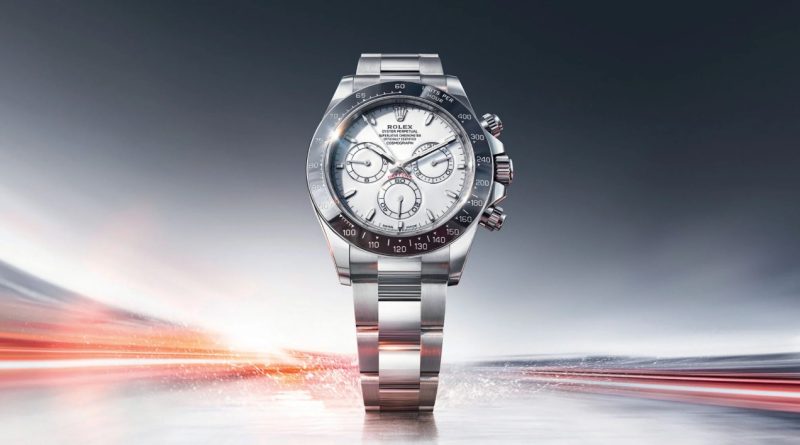
Daytona-style chronographs have a more technical visual character. The additional sub-dials and pushers create a strong sporting identity, but buyers should consider whether they prefer a busy dial or a simpler three-hand layout.
Classic Date Watches
Datejust-style watches combine traditional proportions with practical date displays. Their restrained design often appeals to buyers looking for a watch that can move comfortably between work and social occasions.
Travel-Watch Designs
GMT-Master II-style watches are distinguished by their 24-hour bezels and additional time-zone functionality. Colour combinations give these watches a strong identity, making them popular with buyers who want something more visually expressive than a conventional diving watch.
Researching Luxury-Inspired and Replica Watch Categories
The luxury-inspired market contains substantial variation in construction, finishing and mechanical complexity. Generic labels such as “high quality” are not enough to establish what a buyer will actually receive.
Independent research is therefore important. Detailed photographs, model comparisons, movement explanations and long-form editorial content can help buyers understand why visually similar watches may differ in price or ownership experience.
Resources such as the IsWatches watch blog document a broad range of replica-watch terminology, popular model families and buying considerations that UK readers may encounter while researching this part of the market.
The purpose of research should not be to identify the most aggressive marketing claim. It should be to understand the product category clearly enough to distinguish meaningful specifications from vague promotional language.
Questions Buyers Should Ask Before Making a Decision
A useful evaluation process includes several straightforward questions:
- Are the case dimensions clearly stated?
- Is the movement type identified rather than described only as “Swiss” or “automatic”?
- Are photographs detailed enough to examine the dial, clasp and case finishing?
- Does the watch suit its intended purpose?
- Are delivery, returns and after-sales terms explained clearly?
- Will the movement be serviceable if maintenance is required?
- Does the bracelet provide enough adjustment for comfortable wear?
Clear answers reduce uncertainty and encourage buyers to compare watches on measurable characteristics rather than broad claims.
Why the Cheapest Option Is Not Always the Best Value
Price matters, but the lowest purchase price does not necessarily produce the lowest long-term cost. A watch with poor regulation, a weak clasp or an unreliable movement may require repair or replacement sooner than expected.
Value is better understood as a combination of:
- construction quality;
- accuracy and reliability;
- comfort;
- serviceability;
- design longevity;
- clarity of seller information.
A watch that performs consistently and remains enjoyable to wear can represent better value than a cheaper model selected only because of its initial price.
Final Perspective
The modern watch market gives UK buyers more choice than ever before, but greater choice also requires more careful comparison. Brand name, visual similarity and price can begin the search, yet they should not be the only factors guiding the final decision.
Case proportions determine how a watch sits on the wrist. Dial construction affects readability. Movement choice shapes the maintenance experience, while bracelet design influences comfort every day the watch is worn.
The most satisfying purchase is usually not the watch with the longest list of marketing claims. It is the watch whose design, construction and practical characteristics align most closely with the buyer’s actual needs.