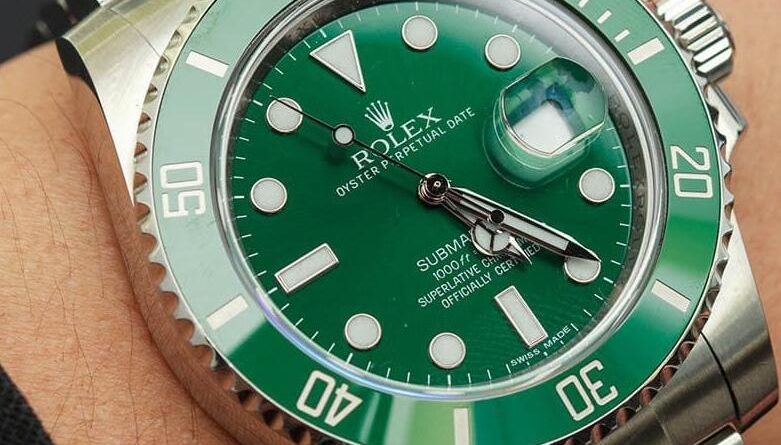
Replica Watches UK – A Practical Guide for Buyers and Collectors
In recent years, searches related to replica watches UK have increased steadily, reflecting a growing curiosity rather than simple impulse buying.
For many UK readers, the interest is not purely commercial. It is driven by questions of quality, legality, value, and how the replica watch market actually operates within the UK context.
This guide is written from an informational perspective. It does not promote specific sellers or products.
Instead, it aims to explain how the replica watch market works in the UK, what buyers usually look for, and how to assess information critically before making any decision.
Why Replica Watches Attract Interest in the UK
The UK has a long-standing appreciation for traditional watchmaking, from classic Swiss brands to heritage British timepieces.
At the same time, luxury watches have become significantly less accessible due to rising retail prices and limited availability.
As a result, many UK-based readers research replica watches to better understand alternatives, craftsmanship differences, and perceived value.
Search intent often includes:
- Understanding differences between genuine and replica watches
- Learning how replica quality levels vary
- Evaluating risks related to UK customs and delivery
- Comparing pricing logic rather than hunting for the cheapest option
This blend of curiosity and caution explains why informational content performs strongly for UK-focused replica watch searches.
Understanding Replica Watch Quality Levels
One of the most misunderstood aspects of replica watches in the UK market is quality classification.
Terms such as “AAA”, “super clone”, or “1:1” are widely used online, but they are not official standards.
In practice, replica watches usually fall into several broad categories:
Entry-Level Replicas
These models prioritize appearance from a distance rather than technical accuracy.
They often use basic movements and simplified materials.
UK buyers researching these watches typically do so for short-term wear or visual comparison.
Mid-Tier Replicas
Mid-tier replicas aim for improved finishing, better weight balance, and more reliable movements.
For many UK readers, this category represents a balance between cost and realism.
High-Grade or “Super Clone” Replicas
High-grade replicas focus heavily on case dimensions, dial layout, and movement similarity.
These watches are usually discussed in technical terms, such as power reserve, movement decoration, and bracelet construction.
Understanding these categories helps UK readers interpret online descriptions more critically and avoid unrealistic expectations.
Replica Watches and UK Legal Considerations
A common question among UK readers is whether owning or ordering replica watches is legal.
The answer is nuanced and often misunderstood.
In the UK, purchasing a replica watch for personal use is not usually prosecuted as a criminal offence.
However, importing counterfeit goods can lead to seizure by customs, particularly if items are suspected to be for resale.
Key points UK readers should understand include:
- Customs inspections are selective, not guaranteed
- Seizure typically results in loss of the item, not legal action
- Commercial resale carries significantly higher legal risk
This is why many UK-focused discussions emphasize risk awareness rather than guarantees.
UK Shipping Expectations and Practical Realities
Another reason “replica watches UK” is frequently searched relates to delivery expectations.
UK buyers often want clarity on timeframes, carriers, and customs handling.
Based on market observation, UK delivery experiences vary widely depending on shipping methods and origin.
Some shipments pass through smoothly, while others face delays or inspection.
From an informational standpoint, UK readers should understand:
- Delivery times are estimates, not promises
- Tracking updates may pause during customs clearance
- Discreet packaging is commonly discussed but not guaranteed
Being informed reduces frustration and unrealistic expectations.
How UK Buyers Evaluate Replica Watch Websites
For UK readers researching replica watches, website evaluation is often more important than product images.
Experienced readers tend to assess credibility using indirect signals rather than marketing claims.
Content Depth
Informational pages explaining movements, materials, and comparisons suggest a more knowledgeable operator than purely promotional listings.
Consistency and Transparency
Clear policies, consistent language, and realistic descriptions are generally seen as more trustworthy than exaggerated promises.
UK-Relevant Information
Mentions of UK delivery considerations, currency handling, and buyer concerns indicate awareness of the UK audience.
These evaluation habits explain why detailed blog-style content often ranks well for UK-related replica watch searches.
Common Myths About Replica Watches in the UK
Several myths repeatedly appear in discussions around replica watches UK readers encounter:
- “All replicas are identical” – Quality varies significantly
- “UK customs always seize replicas” – Inspections are selective
- “High price equals perfect replica” – Pricing does not guarantee accuracy
Understanding these misconceptions allows UK readers to approach the topic with clearer judgment.
Why Informational Content Matters More Than Promotion
From a search perspective, Google increasingly prioritizes experience-based and informational content.
For queries like replica watches UK, this means guides, explanations, and comparisons often outperform direct sales pages.
UK readers typically want reassurance and understanding before any purchase consideration.
Blogs that explain risks, quality differences, and expectations naturally align with this intent.
Final Thoughts for UK Readers
Replica watches remain a complex topic in the UK market.
They sit at the intersection of curiosity, affordability, craftsmanship, and legal awareness.
For UK readers, the most valuable approach is not impulsive decision-making, but informed research.
Understanding how replica watches are made, how the UK market differs from others, and what realistic expectations look like is essential.
This guide is intended to serve as a reference point for UK-focused research, offering clarity rather than persuasion.